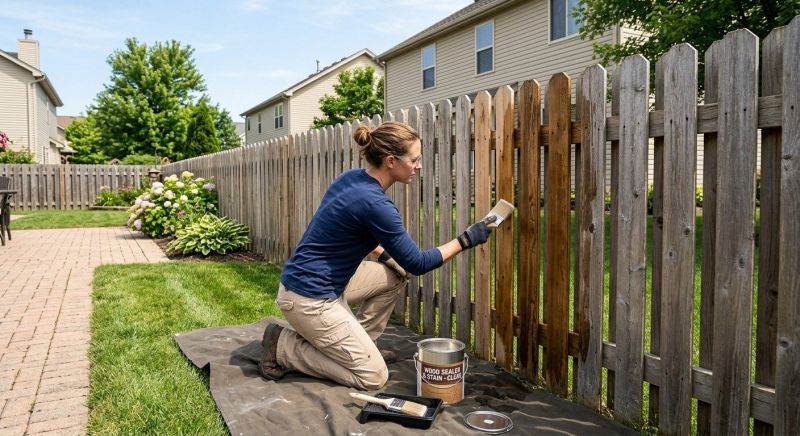
Cedar Fence Sealing in Kitsap County, WA
Cedar fence sealing services involve applying protective treatments to cedar fences to enhance their durability and appearance. This process helps guard against moisture, UV damage, and general wear, extending the lifespan of the fence. Projects typically include sealing new fences during installation or refreshing existing ones to maintain their natural look and prevent warping, cracking, or rotting caused by exposure to the elements.
Property owners considering cedar fence sealing usually want to understand the benefits of the treatment, such as improved resistance to weathering and prolonged fence life. It's also common to inquire about the appropriate timing for sealing, the types of sealers used, and how often reapplication might be needed to keep the fence in optimal condition. Proper sealing can help preserve the aesthetic appeal and structural integrity of cedar fences over time.
Many property owners in Kitsap County, WA look into Cedar Fence Sealing for repairs, replacements, upgrades, and appearance-related improvements.
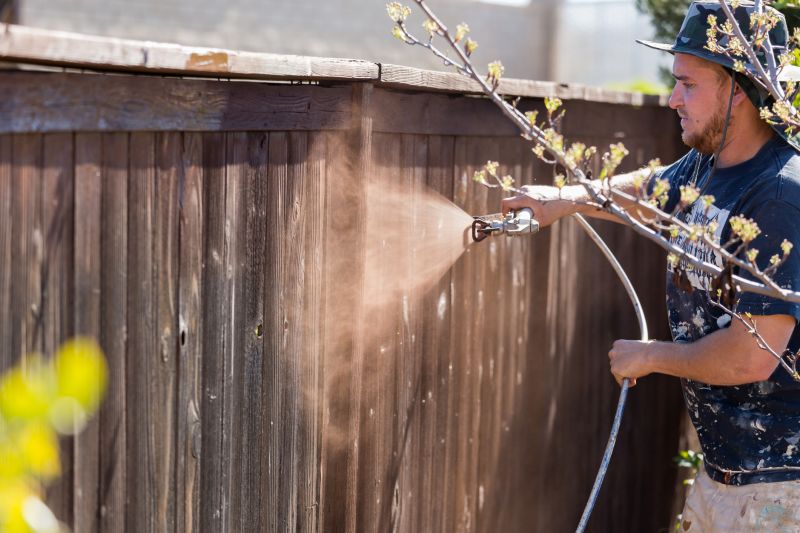
Protecting Cedar Fences
Sealing helps prevent weather damage and extends the life of cedar fences around kitsap county homes.
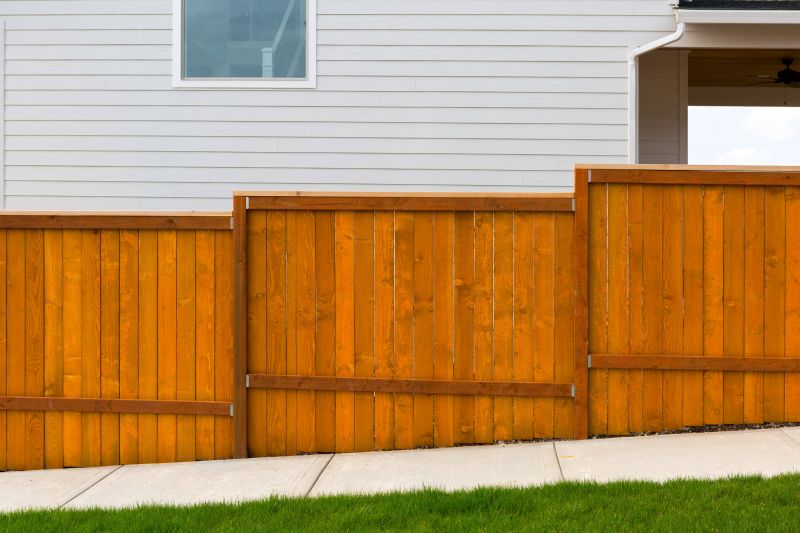
Enhancing Fence Appearance
A quality sealant can improve the natural beauty of cedar and keep it looking fresh for years.
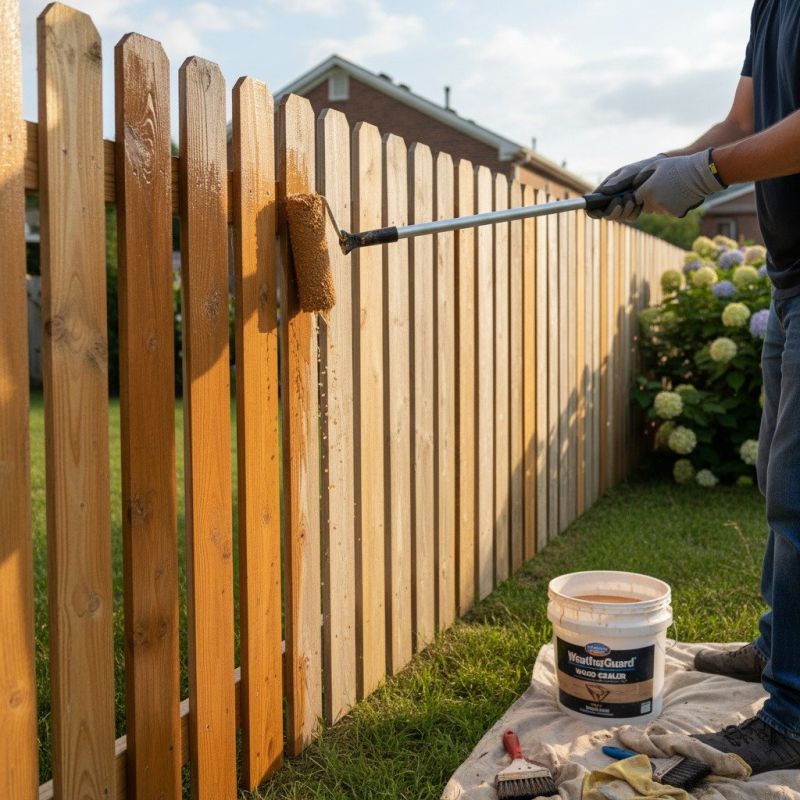
Maintaining Fence Durability
Regular sealing is essential for preserving the structural integrity of cedar fences exposed to kitsap county’s climate.
Cedar Fence Sealing in Kitsap County, WA
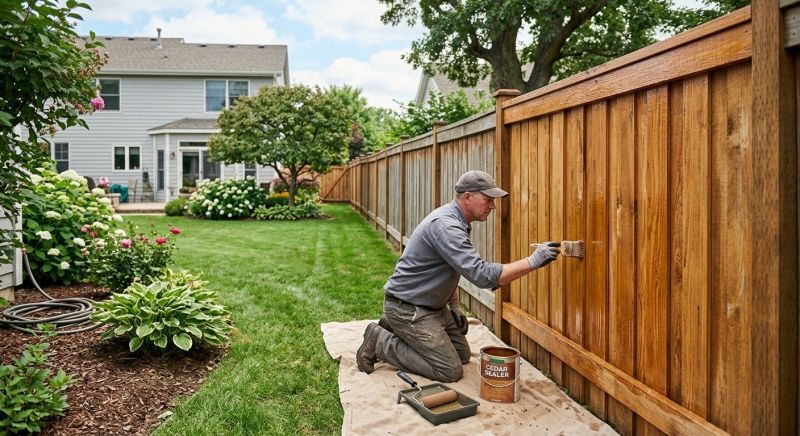
Cedar fence sealing services involve applying protective treatments to cedar fences to enhance their durability and appearance. This process helps guard against moisture, UV damage, and general wear, extending the lifespan of the fence. Projects typically include sealing new fences during installation or refreshing existing ones to maintain their natural look and prevent warping, cracking, or rotting caused by exposure to the elements.
Property owners considering cedar fence sealing usually want to understand the benefits of the treatment, such as improved resistance to weathering and prolonged fence life. It's also common to inquire about the appropriate timing for sealing, the types of sealers used, and how often reapplication might be needed to keep the fence in optimal condition. Proper sealing can help preserve the aesthetic appeal and structural integrity of cedar fences over time.
Many property owners in Kitsap County, WA look into Cedar Fence Sealing for repairs, replacements, upgrades, and appearance-related improvements.
Common Cedar Fence Sealing Jobs
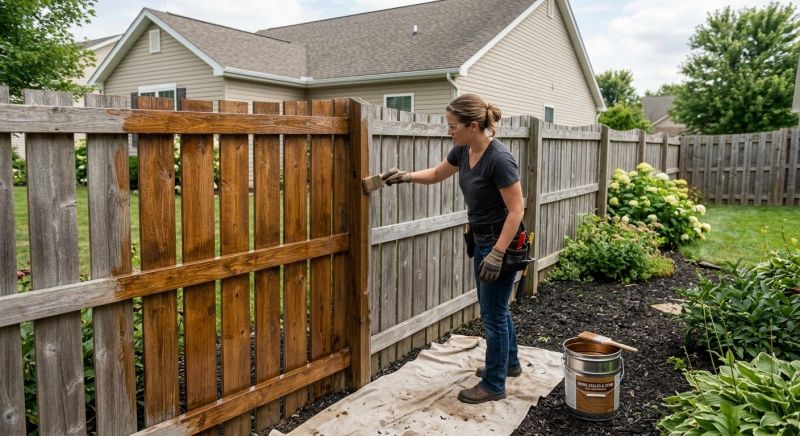
Wood Fence Sealing - protects cedar fences from moisture and weather damage to extend their lifespan.
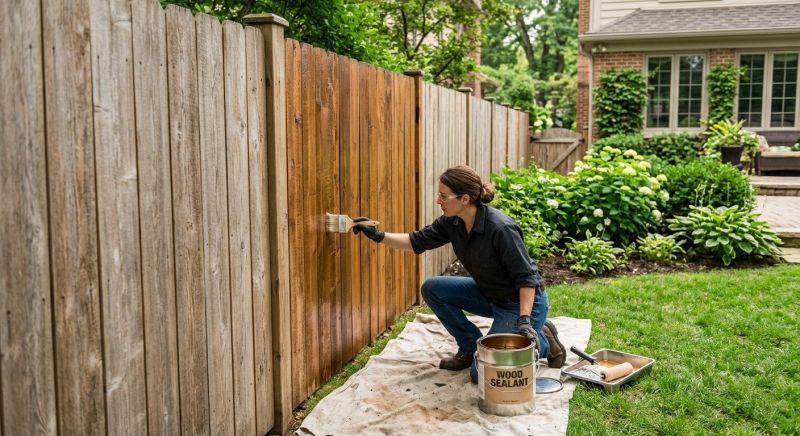
Privacy Fence Coating - helps maintain the appearance and durability of privacy fences in residential yards.
Deck Fence Sealing - preserves the natural look of cedar decks and fences against sun and rain exposure.
Garden Fence Preservation - prevents wood rot and decay in garden fences exposed to outdoor elements.
Custom Fence Sealing - offers tailored solutions to enhance the longevity of unique or decorative cedar fences.
Fence Maintenance Treatments - provides ongoing protection to keep fences looking their best over time.
Cedar Fence Sealing Questions
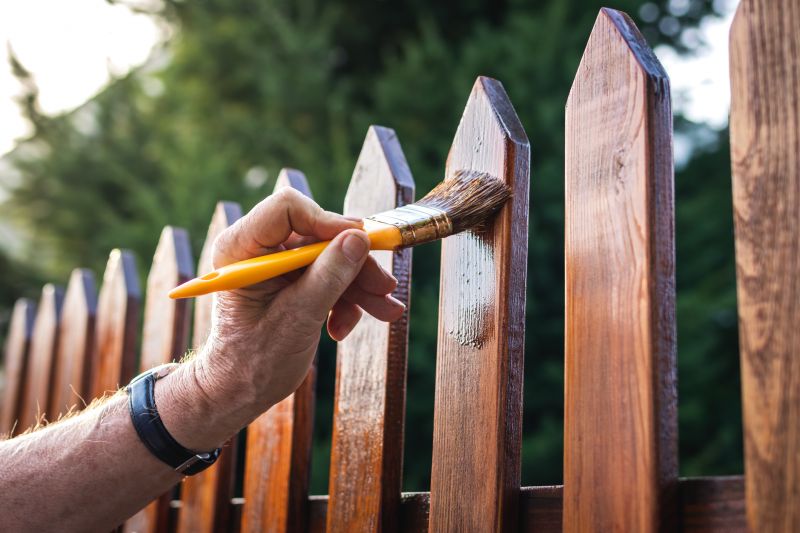
What is fence sealing? Fence sealing involves applying a protective coating to help prevent damage from moisture, sun exposure, and pests, extending the life of the fence.
Why should homeowners consider sealing their cedar fences? Sealing helps maintain cedar’s natural appearance, reduces weathering, and minimizes the need for frequent repairs or replacements.
When is the best time to seal a cedar fence? The optimal time is when the fence is dry and the weather is mild, typically in spring or fall, to ensure proper absorption of the sealant.
What types of sealants are used for cedar fences? Clear or tinted sealants are common, designed to enhance cedar’s natural color and provide a protective barrier against the elements.
Request Cedar Fence Sealing in Kitsap County, WA
Use the quote form on this page to share the basics of your project and request more information for the type of work you need.